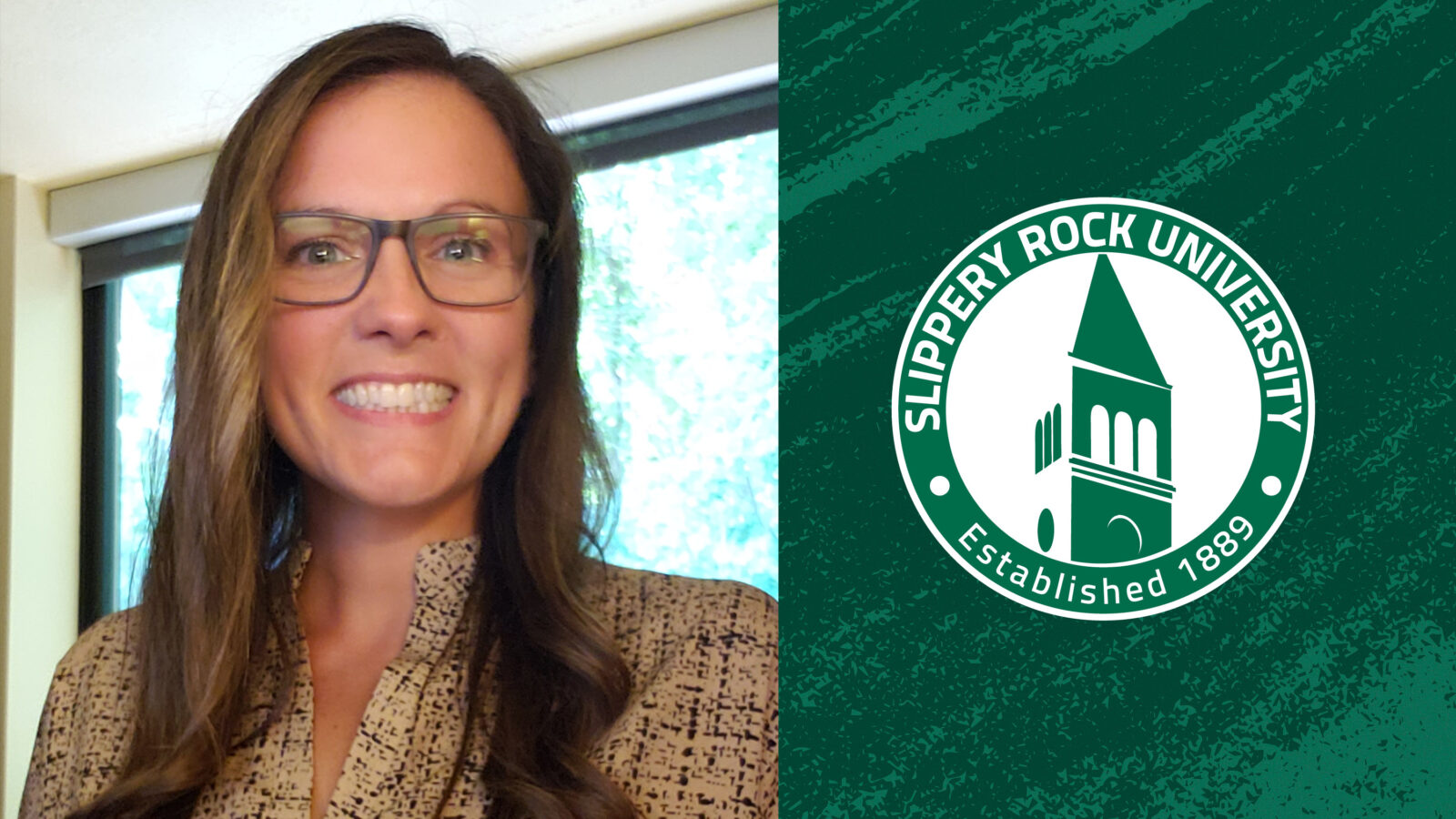
Caring for a loved one after a brain injury can be difficult, but a new program at Slippery Rock University is ensuring local families don’t have to walk it alone. Led by Heather Bright, associate professor of recreational therapy, SRU is aiming to enhance the quality of life for brain injury survivors and their dedicated caregivers.
“The most successful support groups have a strong social and recreational component,” Bright said. “I really thought about the resources on campus and the community connections that we have, and I realized that this is an untapped need in terms of services.”
Supported by funding from Pennsylvania’s State System of Higher Education and its Faculty Professional Development Council, Bright is implementing Caregiver Connect, a 16-month, service-learning program designed to deliver accessible recreation, structured support and vital care for families navigating life after a brain injury.
“The Caregivers Connect program is an idea which came from a brain injury survivor’s support group in Butler,” Bright said. “With my background as a recreational therapist, I worked in physical rehabilitation for years, particularly in neuro-rehab. At SRU, I teach the recreational therapy for physical disabilities course, and we cover brain injuries with a lot of guest speakers, so I’m able to connect with a lot of people from around the community.”
The project introduces a multi-tiered approach, offering concurrent relief opportunities, respite-adjacent support and shared recreational activities where both caregivers and survivors can participate together. Aside from just serving local families, the initiative directly engages SRU recreational therapy and social work students, providing them with hands-on, field-based learning experience as they design and facilitate recreational support.
“Not only are we providing a much-needed service to this population of caregivers and brain injury survivors, but we also have recreational therapy students and social work students who are getting hands-on experience,” said Bright. “It’s really invaluable because the students get a chance to interact with each other. They’re looking at the experience through two different lenses, and they have the chance afterwards to debrief and share their thoughts.”
For Bright, this initiative serves as a way to support those affected by brain injury, while also providing an outlet for their caregivers to interact with other community members who share similar circumstances.
“Our support group is unique,” said Bright. “We’re an extension of the Brain Injury Association of Pennsylvania, so we don’t just have monthly meetings and the grant pays for more than just materials and resources to enrich the meetings. We also do activities like horseback riding at SRU’s Storm Harbor Equestrian Center, bowling, instructional painting classes and cookouts. We’re very social and active. It’s really enriching for everyone, including myself.”
As the initiative takes off, it promises to leave a lasting impact, both on campus and across the region. Connecting compassionate community care with hands-on learning for the next generation of professionals, Bright’s program is creating a sustainable model of support. One where survivors, caregivers and students all thrive together.
More information about the recreational therapy program at SRU can be found on the program’s webpage.