

Slippery Rock University’s council of trustees approved updates to select fees to ensure students have access to the high-quality dining, technology, campus life and academic resources required to succeed. These targeted adjustments also strengthen specialized programs like physician assistant, nursing, physical therapy and occupational therapy, supporting the hands-on experiences that prepare students for in-demand careers
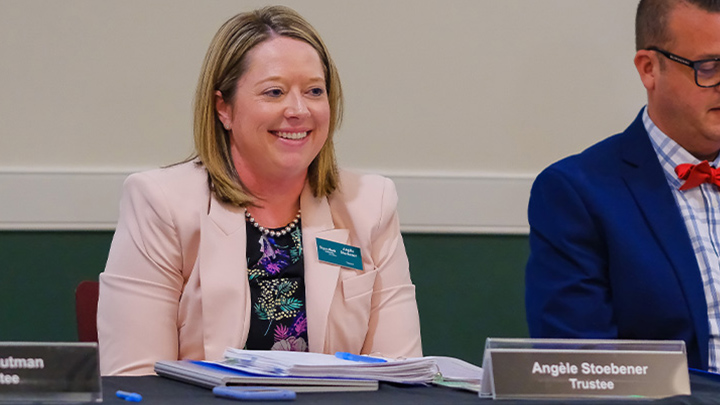
The new fee structure, which will go into effect for the 2026-27 academic year, was voted on by council members, along with capital budget projects, at the trustees’ quarterly business meeting March 27 at the Russell Wright Alumni House and Conference Center.
The non-academic program fee changes include:
- Dining services meal plan: Increase by $119 per semester/$238 per year (6.74%) for the most common 14-meal plan. Meal plan rate increases range from $44-$136 per semester/$88-$272 per year. The increases are based on a combination of the consumer price index for food away from home and the cost of labor and program enhancements.
- Parking permits: Increase by $75 per year (from $25, which is the lowest among the 14 campuses in Pennsylvania’s State System of Higher Education, to $100 per year). The increase is necessary to cover the costs of maintaining and enhancing parking lots. Students will also have the option to park in an off-campus satellite lot at a cost of $25 per parking permit.
- Technology: Increase by $56 per year (11.3%) for undergraduate full-time in-state students, with the same percentage increases for out-of-state students and graduates. The increase is needed because technology hardware and software cost increases continue to outpace inflation, along with additional resources to continue to enhance cybersecurity. Technology-related expenses have increased 97% over 10 years and 32% over the past five years.
- Student life: Increase by $1 per credit hour. For a 15-credit student, the increase is from $75 per semester to $90 per semester. This represents a 20% increase to a fee that has not been raised since its inception in 2011-12. The programs that this fee funds have a direct impact on student satisfaction and retention. Without the increase, the University would need to reduce student life programming.
The academic program fee changes, which only affect students enrolling in the named programs below starting in Summer Session 2026, include:
- Physician assistant studies: Separate didactic and clinical fees will be replaced with one constant program fee ($1,950 per term). The fee will increase by 3% per year to reflect increases in clinical site expenses.
- Nursing: This is a new fee with SRU starting its four-year program in the fall. The initial fee will be $999 per semester/$1,998 per year and will be indexed to tuition.
- Physical therapy: The Doctor of Physical Therapy program does not have an existing fee. This new fee will help offset costs affiliated with the three-year, equipment intensive clinical program. The fee will be 1.25% of tuition, which averages out to $100 per term.
- Occupational therapy: 47% decrease, resulting from the implementation of a constant program fee of 2.5% of tuition ($166.88 per semester at current rates) for eight terms instead of a separate clinical fee of $833 that is applied in only the final year.
Other actions taken by the council included the approval of the University’s capital budget submission for the fiscal year 2026-27. In accordance with Board of Governors policy, SRU annually submits capital projects to maintain their consideration for funding by Pennsylvania’s State System of Higher Education. The University has four renovation projects that, if approved at the state level, could be funded between fiscal years 2027-28 to 2031-32.
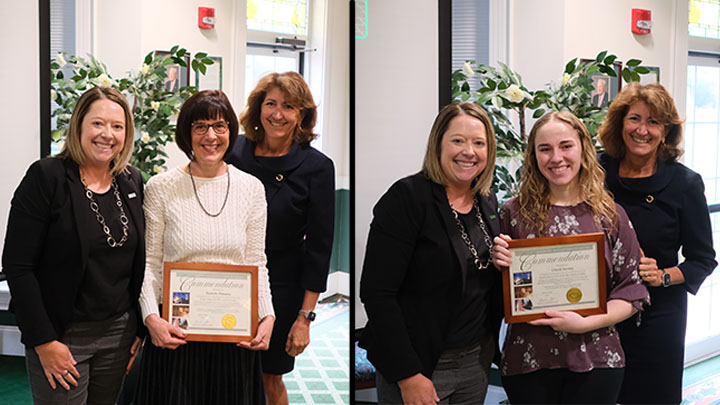
Also at the quarterly business meeting, the council presented commendations to departing student trustee Charli Severo and faculty liaison Danette DiMarco for their service, and received the President’s Report from SRU President Karen Riley and reports from standing committees, as well as updates about the following topics: contracts, active projects for facilities and planning, human resources personnel items, budget/finance and divisional reports.
Four committee meetings were conducted prior to the business meeting, March 26-27.
The Academic and Student Affairs Committee meeting include presentations from the following administrators:
- Michael Zieg, provost and vice president for academic affairs.
- Michael May, vice president for enrollment management.
- Ken Bach, senior director, university marketing and communication.
- David Wilmes, vice president for student affairs.
The Finance and Administrative Affairs Committee meeting included:
- A presentation about the 2025-26 fiscal year budget by Carrie Birckbichler, vice president for finance and administration.
- Information items regarding the contracts, purchases, financial reports, facilities and planning projects, human resources personnel items, and divisional report.
The Governance Committee meeting included:
- An update about the student trustee selection.
- Discussions about a move to one-day trustees meetings and proposed dates for the 2026-27 academic year (Sept. 17-18, Dec. 10-11, March 5-26, and June 10-11).
- Informational items about calendar mentions and trustee bylaws.
The University Advancement Committee meeting included an SRU affiliate work group update and presentations from the following administrators and representatives:
- Troy Miller, vice president for university advancement.
- Tim Richart, senior director of annual giving and alumni engagement.
- Mark Palmer, chair, SRU Foundation Board of Directors, providing the foundation’s quarterly report.
The next trustees meetings are scheduled for June 4-5, 2026.
More information, including a link to meeting materials, is available on the council of trustees webpage.